
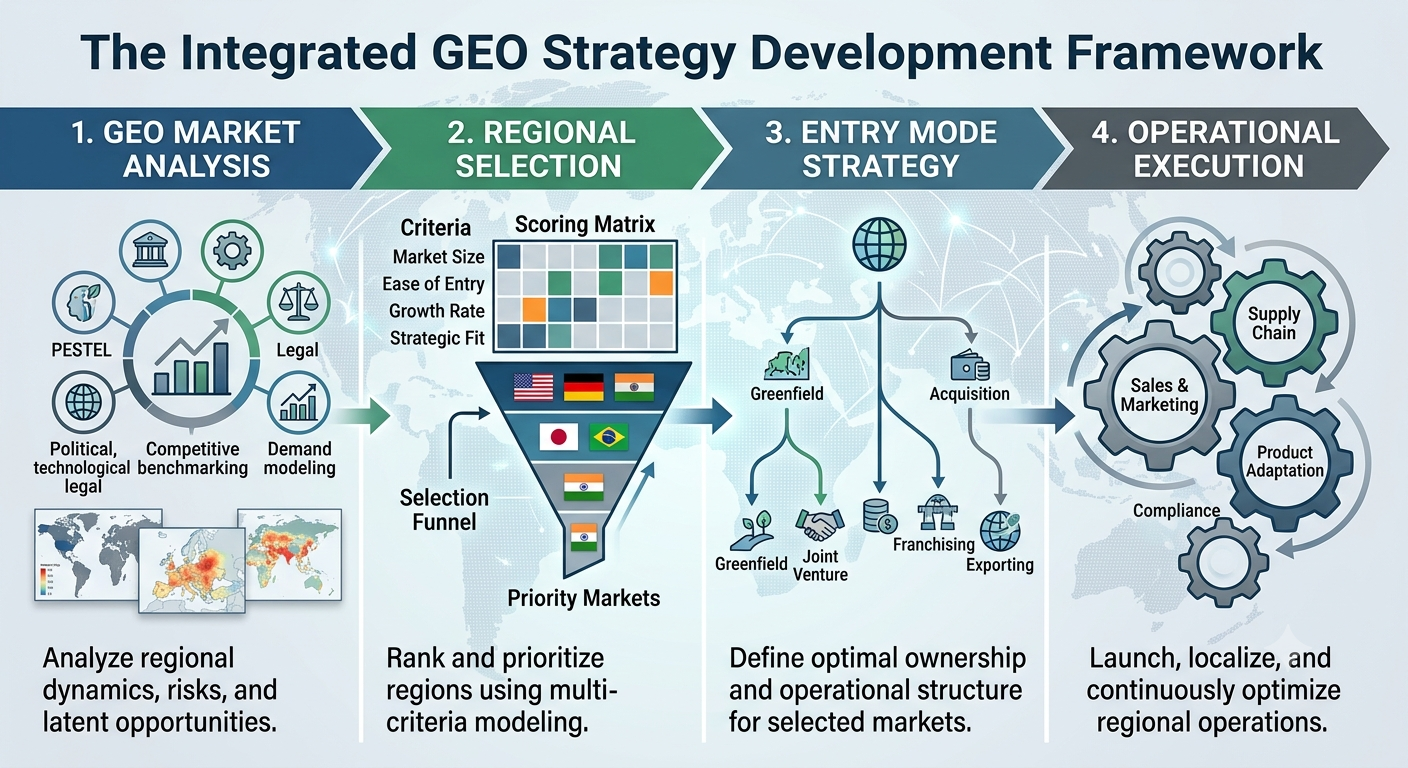
The way people search for information is changing rapidly as AI-powered search engines and generative platforms become a primary source of answers. This shift has made Generative Engine Optimization (GEO) an essential part of every modern digital marketing strategy. Instead of focusing only on traditional search rankings, GEO helps businesses create content that AI systems understand, trust, and recommend to users seeking accurate information.
Omefyi Software Technologies specializes in developing data-driven GEO strategies that combine in-depth market research, audience analysis, competitive intelligence, and AI-focused content optimization. By helping businesses understand their market before creating content, Omefyi enables brands to strengthen their online presence, improve AI search visibility, and achieve long-term digital growth in an increasingly competitive landscape.
Understanding Market Analysis in GEO Strategy
Market analysis is the process of gathering and evaluating information about your target audience, competitors, industry trends, and customer behavior before creating a Generative Engine Optimization (GEO) strategy. It provides valuable insights that help businesses develop AI-friendly content based on real user needs instead of assumptions. A strong market analysis ensures your content is relevant, trustworthy, and aligned with evolving search behaviors, making it more likely to be recognized and recommended by AI-powered search engines. With data-driven planning, businesses can create high-quality content that supports long-term visibility, strengthens brand authority, and delivers better engagement across modern AI search platforms.
Key Benefits of Market Analysis in GEO Strategy
- Defines Your Target Audience: Understands user intent, preferences, and search behavior to create relevant AI-friendly content.
- Improves AI Search Visibility: Aligns content with market demand, increasing the chances of being referenced by generative search engines.
- Supports Data-Driven Decisions: Uses real market insights to guide content planning, keyword strategy, and topic selection.
- Identifies Competitive Opportunities: Reveals content gaps and emerging trends that help businesses stand out in AI-powered search results.
- Enhances Content Performance: Creates valuable, authoritative, and user-focused content that drives higher engagement and long-term digital growth.
Step 1: Define Your GEO Strategy Goals
A successful Generative Engine Optimization (GEO) strategy starts with setting clear and measurable goals. Defining your objectives helps ensure that every content decision supports your business vision while improving visibility in AI-powered search. Well-planned SEO Services in Spain also make it easier to evaluate performance, identify growth opportunities, and create content that delivers long-term value to both users and search engines.
Key GEO Strategy Goals
- Business Objectives: Define what you want to achieve, such as increasing brand awareness, generating qualified leads, driving sales, or improving customer retention.
- Target Geographic Markets: Identify the regions, cities, or countries where your products or services have the greatest growth potential.
- AI Search Visibility Goals: Set targets for improving your presence in AI-generated search results, conversational search platforms, and answer engines.
- Performance Metrics: Track measurable KPIs such as organic traffic, AI citations, engagement rates, conversions, and content reach.
- Content Objectives: Create authoritative, user-focused content that answers search intent, builds trust, and strengthens your brand’s expertise across AI-powered search experiences.
Step 2: Identify and Understand Your Target Audience
Understanding your target audience helps create GEO content that matches user intent and improves visibility across AI-powered search platforms. A detailed audience analysis ensures your content answers the right questions, reaches the right people, and supports higher engagement and conversions.
- Customer Demographics: Identify your ideal audience based on factors such as age, gender, income, education, occupation, and interests.
- Geographic Location: Determine the countries, regions, cities, or local markets where your potential customers are most active.
- Search Behavior: Analyze the keywords, questions, and conversational queries users enter into AI-powered search engines and traditional search platforms.
- Pain Points: Understand the challenges, needs, and problems your audience is trying to solve so your content provides meaningful solutions.
- Buying Intent: Identify whether users are researching, comparing options, or ready to purchase to create content for each decision stage.
- Preferred Digital Platforms: Discover where your audience spends time, including search engines, AI assistants, social media platforms, industry forums, and business websites.
- User Journey: Map the customer journey from awareness and consideration to decision-making and post-purchase engagement to deliver relevant content at every stage.
Step 3: Perform Competitor Market Analysis
Analyzing your competitors is an essential step in developing a successful Generative Engine Optimization (GEO) strategy. Begin by evaluating how competitors position their brands in the market and the value they communicate to their target audiences. Review the quality, depth, and relevance of their content to understand what performs well in AI-powered search environments. Assess their GEO performance by examining topic coverage, content structure, AI-friendly formatting, and overall visibility. Pay close attention to authority and trust signals, including expert content, credible sources, customer reviews, and brand reputation. This research also helps uncover market opportunities where user needs remain unmet or content gaps exist. By identifying these opportunities and understanding your competitors’ strengths and weaknesses, businesses can build unique competitive advantages that improve AI search visibility and establish long-term digital authority.
Step 4: Conduct Keyword and AI Query Research
SEO Services in Netherlands help businesses create content that aligns with how users search and how AI-powered search engines understand information. Focusing on different types of search queries improves content relevance and increases the chances of appearing in AI-generated responses.
- Primary Keywords: Identify the main keywords that represent your products, services, or industry and have strong search demand.
- Long-Tail Keywords: Target specific, detailed keyword phrases that reflect user intent and often have lower competition with higher conversion potential.
- Conversational Searches: Research natural language queries and question-based searches that users commonly ask AI assistants and voice search platforms.
- AI-Generated Questions: Discover frequently asked questions generated by AI search engines to create content that directly answers user queries.
- Semantic Keyword Clusters: Group related keywords, synonyms, and contextually connected topics to help AI understand the depth and relevance of your content.
- Search Intent Mapping: Match keywords with user intent—informational, navigational, commercial, or transactional—to create content that satisfies every stage of the customer journey.
Step 5: Study Industry Trends and Consumer Behavior
Keeping up with industry trends and changing consumer behavior is essential for building a future-ready Generative Engine Optimization (GEO) strategy. Businesses should monitor emerging technologies, evolving customer expectations, and market innovations that influence how people search for and consume information. As AI-powered search engines continue to advance, understanding new search patterns, conversational queries, and content preferences becomes increasingly important. Tracking industry changes also helps businesses adapt their content strategy before competitors respond to new developments. By analyzing these trends, brands can identify future opportunities, create timely and relevant content, and strengthen their authority within their industry. A proactive approach to market intelligence ensures GEO strategies remain effective, helping businesses maintain visibility, meet evolving user needs, and achieve sustainable growth in an increasingly AI-driven digital landscape.
Step 6: Analyze Geographic Market Opportunities
Analyzing geographic market opportunities helps businesses identify the regions where their GEO strategy can deliver the greatest impact. Start by evaluating regional demand to understand where your products or services have the highest growth potential. Research local competitors to learn how they position their brand and identify opportunities to differentiate your content. Language preferences and cultural factors should also be considered to ensure your messaging resonates with local audiences and reflects regional values. Additionally, studying regional search trends reveals the keywords, topics, and AI search queries that are most relevant in specific locations. These insights allow businesses to create localized, user-focused content that improves AI search visibility. By identifying high-potential markets and tailoring strategies accordingly, organizations can confidently expand into new regions while strengthening their digital presence and long-term growth.
Step 7: Gather and Interpret Market Data
Collecting and interpreting reliable market data helps businesses make informed decisions and continuously improve their Generative Engine Optimization (GEO) strategy. Analyzing multiple data sources provides a complete understanding of audience behavior, content performance, and market opportunities.
- Website Analytics: Review traffic, user behavior, bounce rate, session duration, and conversion data to understand how visitors interact with your content.
- Search Performance: Analyze keyword rankings, organic traffic, impressions, click-through rates, and AI search visibility to evaluate content effectiveness.
- Customer Feedback: Gather reviews, surveys, support queries, and testimonials to identify customer needs, expectations, and recurring challenges.
- Social Media Insights: Monitor engagement, audience interactions, trending discussions, and content performance across relevant social platforms.
- Competitor Benchmarking: Compare competitors’ content, SEO and GEO strategies, authority, and market positioning to identify strengths and opportunities for improvement.
- Industry Reports: Use trusted market research, industry publications, and trend reports to stay informed about market changes and future opportunities.
- AI Search Performance Data: Measure AI citations, answer engine visibility, conversational search performance, and content recognition across AI-powered search platforms.
Step 8: Build a Data-Driven GEO Strategy
Transform market insights into a data-driven GEO strategy by creating content aligned with user intent and AI search trends. Optimize content with clear structure, strong entity signals, and authoritative information that AI can easily understand. Continuously monitor performance, analyze results, and refine your strategy to improve visibility, strengthen brand authority, and achieve sustainable growth in AI-powered search.
Omefyi Software Technologies Help Businesses Develop Effective GEO Strategies
Omefyi Software Technologies helps businesses develop effective Generative Engine Optimization (GEO) strategies through data-driven market research and industry insights. The team creates customized GEO plans, optimizes AI-focused content, and analyzes competitor strategies to improve search visibility. By integrating SEO Services in Ireland with GEO best practices, Omefyi enhances content discoverability and website performance. Continuous monitoring and strategy refinement ensure businesses stay aligned with evolving AI search trends, delivering sustainable digital growth and long-term online success.
FAQs
What is market analysis in GEO strategy development?
Market analysis in GEO strategy development involves researching your target audience, competitors, industry trends, and search behavior to create data-driven content that performs well in AI-powered search engines and generative search platforms.
Why is market research important before implementing a GEO strategy?
Market research helps businesses understand customer needs, identify market opportunities, analyze competitors, and create content that aligns with user intent. This improves AI search visibility and supports better long-term results.
What data should businesses collect during market analysis?
Businesses should collect audience demographics, search trends, keyword data, website analytics, customer feedback, competitor insights, industry reports, geographic market information, and AI search performance metrics to build an effective GEO strategy.
How does competitor analysis improve GEO performance?
Competitor analysis reveals successful content strategies, identifies market gaps, highlights opportunities for authority building, and helps businesses create more valuable, differentiated content for AI-powered search platforms.
Which tools are useful for GEO market analysis?
Businesses can use tools such as Google Analytics, Google Search Console, Google Trends, Semrush, Ahrefs, Microsoft Clarity, and AI search analytics platforms to gather insights and measure GEO performance.