Even the best-performing content may lose its gloss over time. What used to drive traffic, leads, and interest might gradually give way to changes in search trends, algorithms, and audience preferences. Losing track of this natural decay may lead to reduced search results, lower traffic, and lost conversion opportunities. The good news? It does not always have to start all the way. It is possible to revamp and refresh existing content, giving it new life, improving its ranking, increasing traffic, and boosting conversions.
Why Content Refresh is Critical for SEO
Refreshing content is not their maintenance duty, but a strategic change that can significantly enhance the performance of your website. Here’s why it matters:
1. Google Rewards Updated Content
Search engines like relevant, accurate, and up-to-date information. It’s better to update old posts with new data, statistics, or knowledge to make Google believe your information reflects the current state of things, which could trigger elevated placements and appearances in search results.
2. Boosts Organic Traffic Without New Content
Rather than designing a brand-new page, updating an existing one lets you leverage an existing resource. The use of SEO services, updated keywords, and improved structure can attract more visitors and reinvigorate posts that might have lost traffic over time.
3. Improves Click-Through Rate (CTR)
Search snippets containing up-to-date, precise information seem more reliable to users. This leads to more clicks on search results and a higher chance that visitors will interact with your content.
4. Enhances User Engagement
Current information keeps readers on your site longer and motivates them to visit related articles. More Interaction not only enhances conversion, but also improve the power of your site within your field. A content refresh is a cost-effective way to enhance SEO, increase traffic, and improve the user experience without the ongoing stress of creating new content weekly or monthly.
How to Identify Content That Needs Refreshing
Old content does not have to be updated, but it is necessary to identify those pages that would be most useful. Here is the way you can find them:
1. Analyze Traffic with Google Analytics
Use Google Analytics to track page performance over time. Look for posts or pages where traffic has been declining steadily. A drop in visitors is often a sign that your content has become outdated or less relevant compared to competitors.
2. Monitor Keyword Rankings
Check the keywords each page is targeting. If important keywords have lost rankings or are no longer driving traffic, it may be time to optimize the content with updated keywords, meta tags, and headings.
3. Identify Outdated Information
Review your content for statistics, facts, or trends that are no longer accurate. Outdated information can hurt credibility and reduce engagement, so updating these details is crucial.
4. Check for Broken Links and Old Media
Broken links, missing images, or outdated visuals negatively impact both user experience and SEO. Content Services ensure your content is polished, reliable, and visually appealing.
By systematically reviewing your content with these steps, you can focus your efforts on pages that have the highest potential to regain traffic, improve rankings, and boost user engagement.
Step‑by‑Step Content Refresh Process
Refreshing old content is a strategic way to improve SEO, user engagement, and conversions. Follow these steps to ensure a thorough update:
1. Audit Old Content
Start by analyzing your existing content for performance metrics such as traffic, engagement, and keyword rankings. Identify which pages need updates based on declining traffic, low engagement, or outdated keywords.
2. Update Headlines & Meta Tags
Revise titles, meta descriptions, and headings to include current, high-performing keywords. Compelling headlines improve click-through rates (CTR) from search engines while aligning with today’s search intent.
3. Add New Information & Insights
Incorporate recent data, trends, or expert insights to make your content current and authoritative. Updated content signals relevance to both readers and search engines.
4. Fix Broken Links & Technical Issues
Check for broken links, missing images, slow-loading pages, or other technical issues. Resolving these improves user experience and prevents SEO penalties.
5. Improve Readability & Format
Enhance your content structure by adding bullet points, tables, images, and short paragraphs. Clear formatting makes it easier for readers to scan and digest information.
6. Internal Linking & Schema Updates
Add or update internal links to related content to boost SEO and help users navigate your site. Implement schema markup where relevant to improve search visibility and rich results.
By following this step-by-step process, Digital Marketing Company can transform aging content into high-performing pages that drive traffic, engagement, and conversions.
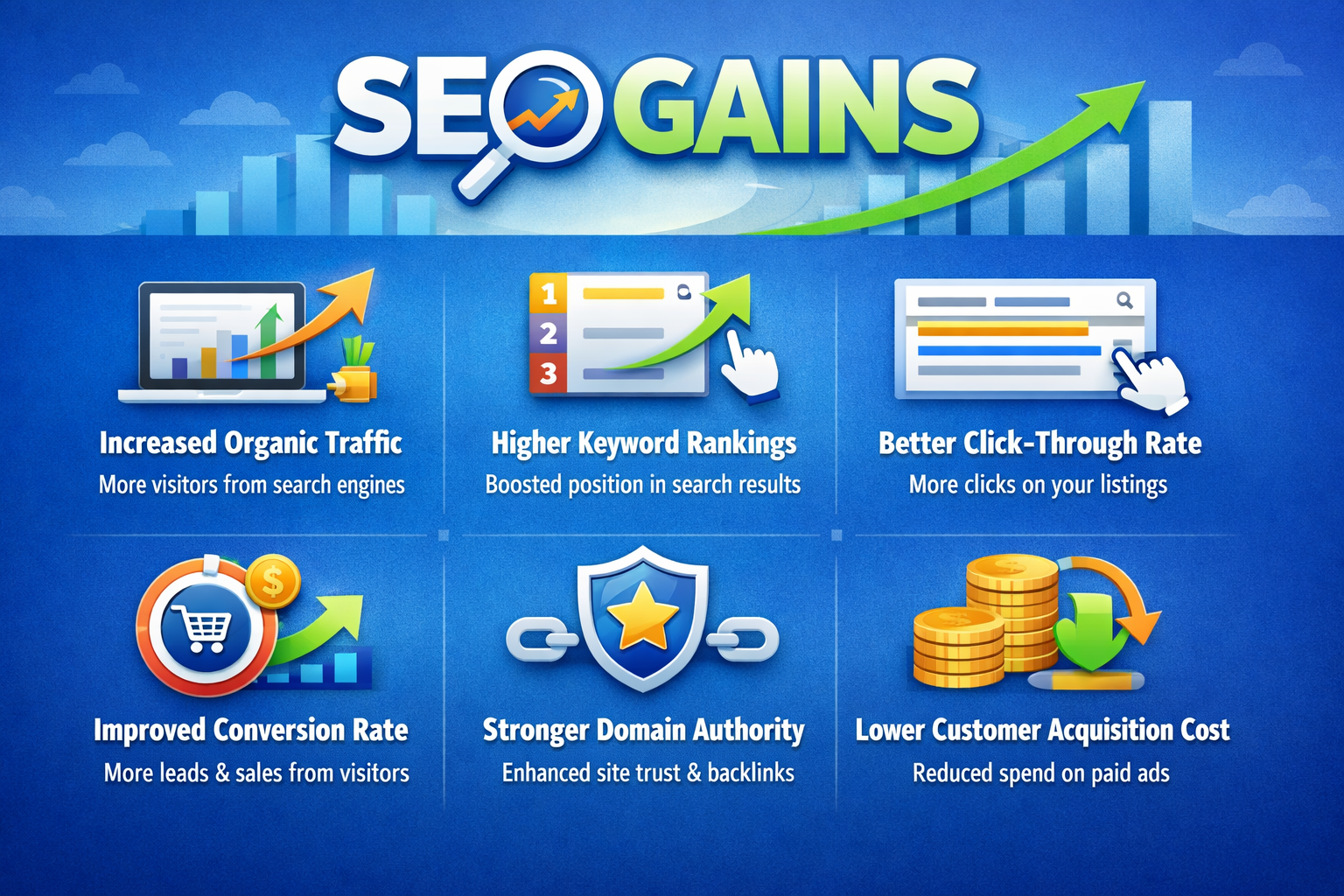
How to Measure SEO Gains After Refresh
Updating content is only half the battle—the real proof comes from measuring its impact. Use these methods to track SEO improvements after a refresh:
1. Track Keyword Rankings
Monitor the performance of target keywords using tools like Google Search Console, Ahrefs, or SEMrush. Look for improvements in rankings for primary and secondary keywords after updating your content.
2. Compare Traffic Before & After
Use Google Analytics to compare page traffic before and after the refresh:
- Identify increases in organic visits to updated pages
- Spot improvements in referral traffic or social shares
- Determine which updates had the most significant effect on attracting visitors
3. Monitor Engagement Metrics
Evaluate how users interact with your refreshed content:
- Time on Page: Longer sessions indicate that readers find the content valuable
- Bounce Rate: A decrease suggests improved relevance and readability
- Pages per Session: More clicks to related content show better internal linking and engagement
By regularly monitoring these metrics, you can assess the effectiveness of your content refresh efforts and fine-tune strategies to maximize SEO gains, traffic, and conversions.
Bonus Tips for Viral Potential
Refreshing content not only boosts SEO but can also increase its shareability and reach. Here are some strategies to give your updated content viral potential:
1. Add Visuals
Incorporate infographics, videos, charts, or images to make your content more engaging and easier to digest. Visual elements increase shareability and time spent on page, helping your content stand out.
2. Target Trending Long-Tail Keywords
Research long-tail keywords that are currently trending in your niche. These specific queries often have lower competition, higher relevance, and better chances of attracting targeted traffic.
3. Promote on Social Media & Newsletters
Share your refreshed content across social media platforms, email newsletters, and relevant online communities. This helps reach a wider audience, drives traffic, and encourages engagement and backlinks.
4. Encourage Interaction
Add calls-to-action, polls, or comment sections to encourage readers to interact with your content. Engagement increases visibility on social media and signals value to search engines.
By combining updated information with visual appeal and strategic promotion, your refreshed content can not only regain traffic but also capture attention, shares, and backlinks, amplifying its overall impact.
Conclusion
Refreshing old content is a powerful, cost-effective strategy to boost SEO, increase traffic, and enhance user engagement. By updating outdated information, optimizing keywords, improving readability, and fixing technical issues, you can transform aging posts into high-performing assets. Incorporating visuals, trending long-tail keywords, and sharing updates across social channels further amplifies reach and engagement.
Don’t wait for your content to lose relevance—take action now. Start refreshing your top 10 old posts this week and see instant SEO improvements! With consistent updates, Digital Marketing Services will stay competitive, authoritative, and continuously valuable to your audience.
FAQs
What is content refresh in SEO?
Content refresh is the process of updating existing blog posts or website pages to keep them current, relevant, and valuable to users and search engines. This can include updating statistics, rewriting sections, adding images, fixing broken links, or optimizing keywords.
Why is content refresh important for SEO?
Google prefers fresh and relevant content. By refreshing old pages, you can improve rankings, increase organic traffic, enhance user engagement, and maintain your website’s authority without creating entirely new content.
How often should I refresh my content?
It depends on your niche. Generally, high-traffic pages should be reviewed every 6–12 months. Pages with outdated statistics, broken links, or declining traffic may need more frequent updates.
Which content should I prioritize for a refresh?
Focus on:
- Pages with declining traffic
- Posts that ranked well before but dropped
- Articles with outdated information, broken links, or old images
- Evergreen content that can be expanded or improved
Can refreshing content help with keyword rankings?
Yes! Updating content with current keywords, semantic terms, and long-tail phrases can boost search visibility and help you rank higher on Google.
Can content refresh replace creating new content?
Not entirely. While refreshing old content can yield quick SEO wins, creating new content remains essential to address new topics, trends, and audience needs. The best strategy combines both.