Search engine optimization has moved far beyond simple keywords and backlinks. Over the past decade, AI has transformed how search engines understand intent, context, and user behavior. Algorithms now interpret conversations, analyze content quality, and predict what users truly want. As a result, SEO has shifted from technical tricks to creating meaningful, helpful, and human-focused content that satisfies real search intent.
Why 2026 Is a Turning Point for Search
In 2026, you will see a significant transformation, with AI-generated responses, voice search, and customized search results controlling the search experience. Users demand lightning-fast, high-quality responses without having to scroll through several pages. More than ever before, search engines focus on experience, authority, and trust. Achieving AI cognitions is no longer about ranking but about staying visible on the internet, so the ability to adopt quickly and valuable content assumes vital importance in business.
AI-Powered Search Results Are Replacing Traditional Rankings
Rise of AI Overviews and Answer Engines
Search engines are fast becoming engines that deliver the answer. Rather than offering a list of links, AI now generates summaries of responses on the result page. These AI summaries draw on insights from many reputable sources to deliver fast, conversational responses. For users, this will provide quicker solutions and eliminate the need to visit multiple websites. For businesses, it implies increased visibility that rests on being a source of information AI systems perceive as reliable, relevant, and authoritative.
Zero-Click Searches and Their Impact
Zero-click searches, or searches that allow users to obtain information without visiting a webpage, are growing exponentially. Quick how-to solutions, product comparisons, weather updates, and definitions are now provided immediately in search results. Although this enhances the user experience, it decreases the conventional website traffic. Brands need to redefine success metrics that target not just clicks but also visibility, brand recognition, and authority on search result pages.
Optimizing Content for AI Visibility
The content must be structured so that AI can comprehend it. It is necessary to have clear headings, short explanations, and strong topical authority. Use natural language that resembles how individuals ask questions. Give direct answers as early as possible in the material, then elaborate. Includes FAQs, snippets, and structured data in such a way that AI can extract important information. Most importantly, emphasize the expert use, credibility, and novelty that AI systems will undoubtedly incorporate in their responses.
Search Intent Is More Important Than Keywords
From Keyword Matching to Meaning Matching
SEO Services in Spain that use exact keyword matches to identify content are no longer valid. Rather, AI analyzes the intent of queries and relates it to content that actually addresses the user’s problem. This trend would require writers to focus on content and context rather than repeating words. The activities of semantic search, natural language processing, and entity understanding contribute to search engines’ ability to assess relevance despite word variations.
Understanding User Behavior Signals
User interaction with the content is also essential to modern SEO. Search engines gauge the usefulness and the interest of a visitor on your page. Positive behavioral indicators signal to algorithms that your content serves its purpose and should receive more visibility.
Key behavior signals include:
- Time spent on the page and scroll depth
- Click-through rate from search results
- Bounce rate and return visits
- Engagement with multimedia and internal links
- Brand searches and repeat traffic
These signals collectively show whether users trust and value your content.
Creating Intent-Focused Content
To succeed in 2026, the content should be what users want at every stage of their trip. Write to resolve actual problems, instead of writing to be found by the search engine.
Best practices include:
- Identify informational, navigational, and transactional intent
- Answer primary questions within the first few paragraphs
- Use clear headings and structured formatting
- Provide actionable tips, examples, and solutions
- Include FAQs to address related queries
When content satisfies intent, rankings naturally follow.
Topical Authority Becomes a Core Ranking Factor
What Is Topical Authority?
Topical authority is the extent to which a website discusses a given topic repetitively. Search engines are now considering the ability of your content to show expertise in an overall topic and not just in a single article. Having high-quality, highly relevant material on your site that is published around a niche transmits credibility, trust, and expertise.
Building Topic Clusters and Content Hubs
Rather than developing single posts, effective SEO now focuses on topic clusters. The main page centers on a general topic and includes sub-topics addressed in the supporting articles. This construction helps search engines understand how the pages relate to each other and increases overall relevance.
Internal Linking in the AI Era
Internal links guide both users and AI crawlers through your content ecosystem. Strong linking improves discoverability and context.
Best practices include:
- Link related articles using descriptive anchor text
- Connect cluster content back to pillar pages
- Keep navigation simple and logical
- Update older posts with links to new content
A well-connected site signals expertise and improves visibility.
AI Is Transforming Keyword Research
Predictive Keyword Discovery
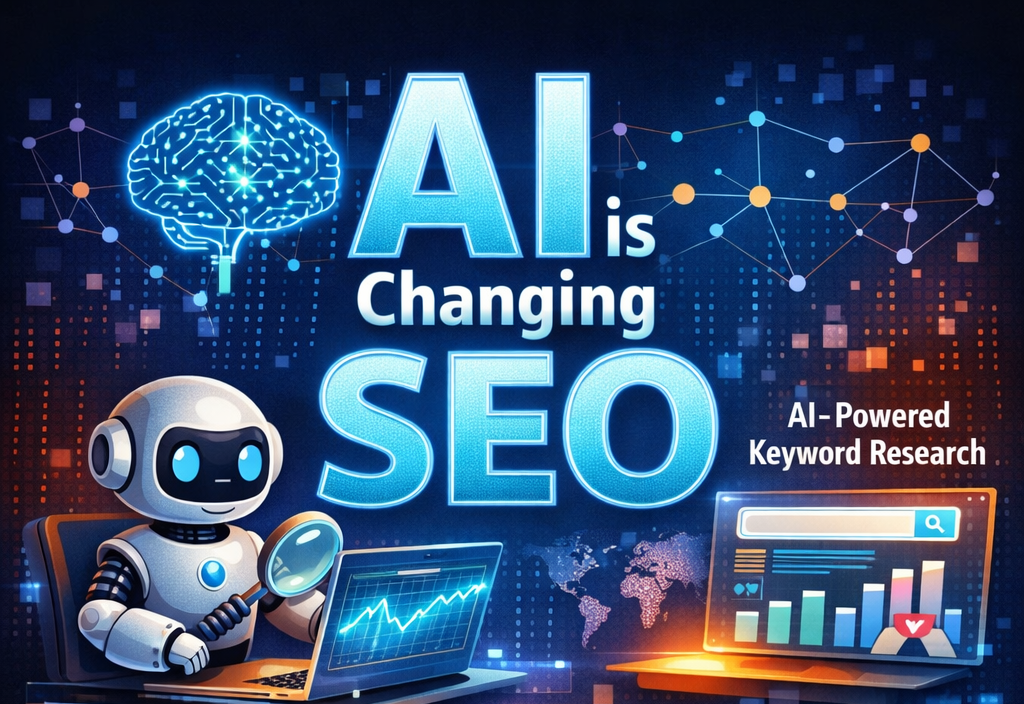
AI applications can now analyze big data to predict what users will search for before full trends are recognized. Moving forward, marketers can learn about who is discussing emerging topics, seasonal behavior, and emerging questions earlier, not just by relying on past search volume. SEO Services in Denmark will enable brands to design content before demand hits, giving them a competitive advantage and helping them drive traffic immediately as demand increases.
Conversational and Voice Search Queries
Queries are becoming increasingly longer and more conversational as voice assistants and chat-based search become increasingly commonplace. Virtually all short phrases are being replaced by complete questions and natural language that people are now searching for. The model of change involves specifying that content should mirror the people’s speech, include question-formatted headings, and clearly and directly answer questions that are easily extracted and reproduced by the AI.
Long-Tail Keywords in 2026
Long-tail keywords are more valuable as they reflect particular intent and reduce competition. Rather than using general words, narrow down to niche questions that relate to the specific problems. Examples include best budget laptops for students in 2026 or how to optimize blog posts for search with AI. The benefits of using these phrases include enhancing relevance, attracting the right visitors, and increasing the likelihood of conversions.
Content Quality and E-E-A-T Signals
Experience, Expertise, Authority, Trust
Search engines are increasingly considering the authors and the credibility of the information they provide. E-E-A-T references are based on practical experience, expertise in subjects, good reputation, and openness. Content based on first-hand information, reliable sources, and a credible author builds trust between users and search engines. All additions, such as author bios, citations to credible sources, and updates, are crucial measures to reinforce these signals.
Why Human-First Content Wins
Algorithms can help with research and writing; however, search engines will emphasize results that feel natural and authentic. Human-first content is centered around problem-solving, personal thoughts, and comments on real user problems. Value-added personal examples, case studies, and original ideas make the content more interesting and replicable, raising perceived credibility and durability.
Avoiding Low-Quality AI-Generated Content
Using AI responsibly is key to maintaining quality and trust. Focus on blending AI efficiency with human expertise.
Best practices include:
- Always edit and fact-check AI-generated drafts
- Add personal insights, examples, and case studies
- Avoid publishing large volumes of thin or repetitive content
- Ensure originality and avoid duplication across pages
- Maintain a consistent brand voice and tone
- Update older content regularly for accuracy
Quality and authenticity remain the foundation of successful SEO in 2026.
AI and Voice Search Optimization
Growth of Voice Assistants
Voice assistants are becoming a primary way people search for information. Users rely on hands-free queries while driving, shopping, or multitasking. This shift means search results must be quick, accurate, and easy to understand. Websites that adapt to natural language and provide clear answers are more likely to appear in voice search results.
Conversational Search Queries
Voice searches sound like real conversations rather than typed keywords. People ask full questions and expect immediate, direct responses. It makes long-tail and question-based content more important than ever.
Writing Content for Spoken Answers
To optimize for spoken responses, content must be concise, clear, and structured for quick extraction.
Best practices include:
- Use question-style headings and FAQ sections
- Provide short, direct answers in the first paragraph
- Write in simple, conversational language
- Keep sentences clear and easy to read aloud
- Add structured data to highlight key information
- Focus on local and “near me” search intent
Optimizing for voice helps capture the growing audience using AI assistants daily.
Future Trends in AI and SEO
Search Becoming Conversational
Search is becoming more of a continuous dialogue rather than a query. Users are now refining their questions, asking follow-ups, and even expecting personalized responses tailored to their needs. It implies that content should anticipate related questions, offer more context, and take users on a journey rather than provide isolated answers.
Rise of AI Agents and Assistants
AI agents are becoming online assistants that can conduct research, compare products or services, and suggest them to the user. Such assistants will factor in credibility, accuracy, and usefulness, then yield results. SEO Services in Finland need to ensure their content is reliable, well-organized, and straightforward for artificial intelligence systems to read and cite.
Preparing for the Next 5 Years of SEO
To stay competitive, brands must focus on adaptability and long-term value. Key priorities include:
- Building strong topical authority in niche areas
- Creating helpful, human-centered content consistently
- Using structured data and clear site architecture
- Investing in brand trust and reputation
- Monitoring AI search trends and evolving strategies
Quality, credibility, and the ability to deliver a user experience across various AI-driven search experiences will be more important metrics of SEO success.
Final Thoughts
AI is transforming the way individuals find, explore, and believe what they can on the web. Successful and competitive SEO in 2026 requires relevant, valuable, and human-centered content that aligns with user intent and understands AI. Brands will remain visible, competitive, and trusted, with skill, hierarchy, and flexibility in thinking and action in the highly dynamic search landscape.
FAQs
Is AI replacing SEO?
No- AI is not killing SEO, it is transforming it. The main emphasis has shifted from keywords and rankings to intent, trust, and useful content.
How can businesses adapt to AI search?
Produce high-quality, helpful, structured content that is trusted to address real questions. Develop authority and maximize conversational and voice search.
Does AI content rank on Google?
Well, yes, but only when it is correct, useful, and edited by people. The content is not as important as the quality and value of good work.
What skills are needed for SEO in 2026?
It requires content strategy, AI tools, analytics, UX, and search intent research. SEO is now a combination of imagination, statistics, and technology.
Is keyword research still important?
Yes, but now it is more topic- and subject-matter-oriented rather than phrase-oriented. The importance of understanding user questions lies not in repeating keywords, but in understanding the user’s intent.